


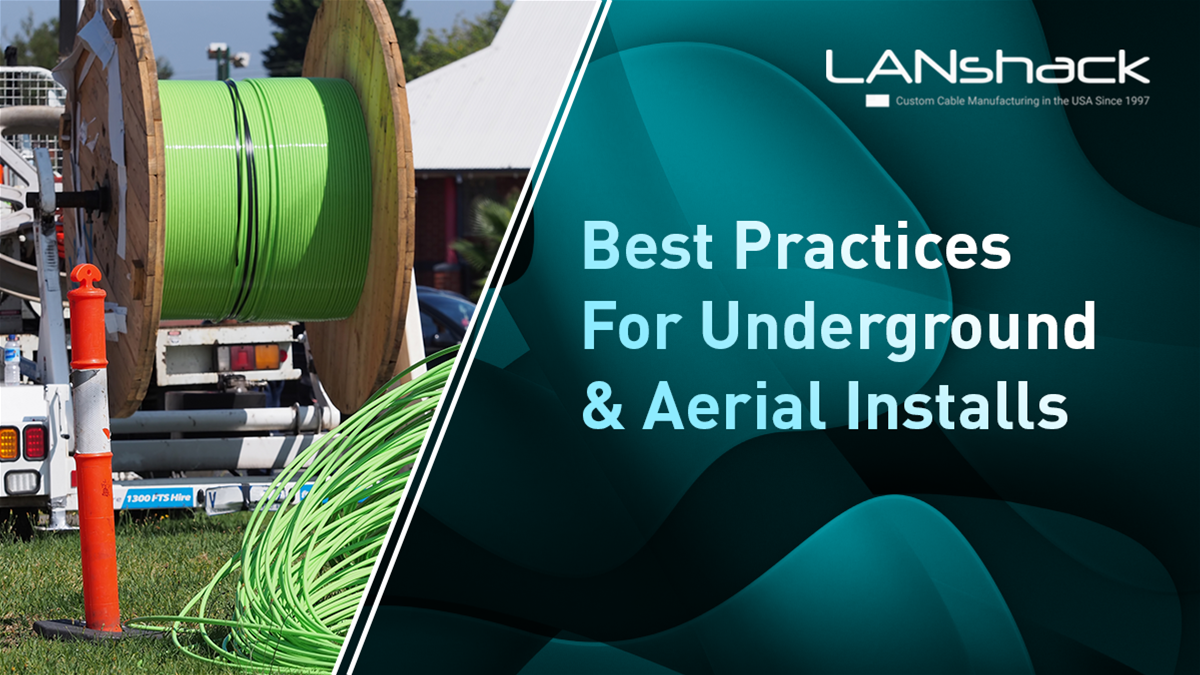


The right technology choices can make or break your fiber installation project. Smart installers use proven products and methods to reduce labor costs while delivering reliable long-term performance.
This guide shows you the best technology solutions for both underground vs aerial installation methods. Learn how quality products and proper techniques improve your fiber installation ROI.
Why Technology Choices Matter for Installation Success
Using the right cables and connection methods dramatically affects project costs and long-term performance. Factory-tested assemblies prevent field errors that cause expensive callbacks and unhappy customers.
Quality products cost more initially but save money through faster installation and fewer problems. Cheap cables and connectors often fail within a few years, destroying your project profitability.
Professional installers choose proven technology solutions that protect their reputation. Reliable products and proper installation methods keep customers satisfied and generate repeat business.
Pre-Terminated Assembly Benefits
Factory-made cable assemblies eliminate most field splicing work and reduce installation time significantly. Pre-terminated fiber assemblies arrive ready to install with guaranteed performance specifications.
Factory testing ensures every connection meets industry standards before leaving the plant. This quality control prevents field problems that waste time and money during installation.
Weather-resistant jackets and connectors provide reliable performance in outdoor applications. Custom assemblies handle harsh conditions better than field-terminated connections.
Plug-and-play simplicity means less skilled labor can complete installations successfully. This flexibility reduces labor costs and makes scheduling easier for busy contractors.
Installation Time Savings
Pre-terminated assemblies can reduce field installation time by 60-80% compared to splicing individual fibers. Less time on site means lower labor costs and faster project completion.
Factory terminations eliminate the need for expensive splicing equipment and trained technicians. Standard assemblies work with basic connector tools that most installers already own.
Faster installations improve customer satisfaction through reduced service disruptions. Business customers especially value quick completion times that minimize operational impacts.
Product Selection for Different Applications
Choosing the right cable type for specific installation conditions prevents problems and reduces long-term maintenance costs. Environmental factors determine which products provide the best performance and value.
Underground Installation Products
Armored fiber cables provide excellent protection for direct burial applications. Metal armor prevents rodent damage and protects against accidental damage during future excavation work.
Gel-filled cables block moisture that could degrade fiber performance over time. Water-blocking compounds prevent moisture migration even if the cable jacket gets damaged.
Micro-armored designs fit through smaller conduits while providing excellent protection. These cables reduce trenching costs while maintaining reliability.
Aerial Installation Products
Self-supporting aerial cables eliminate the need for separate messenger wire installation. ADSS cables handle wind and ice loads while protecting the optical fibers inside.
Outdoor-rated assemblies resist UV damage and temperature cycling for years of reliable service. Quality materials justify their cost through extended service life.
All-dielectric construction prevents electrical problems when cables run near power lines. This safety feature protects both the fiber network and installation crews.
Installation Efficiency Improvements
Modern planning tools and testing equipment help installers complete projects faster and more reliably. Digital planning prevents costly field mistakes and change orders.
Design and Planning Tools
GIS mapping software helps plan optimal cable routes before starting installation work. Good planning prevents expensive changes and reduces material waste.
Load calculations ensure aerial installations meet safety requirements for wind and ice loads. Proper engineering prevents cable failures and liability issues.
Site surveys identify obstacles and utilities that could cause problems during installation. Advance knowledge prevents delays and additional costs.
Testing and Certification
Professional testing equipment ensures every cable link meets performance specifications. Quality termination enclosures protect test points and splice locations.
Tier 1 testing measures insertion loss and cable length for basic certification. Tier 2 OTDR testing provides detailed performance data for troubleshooting.
Documentation of test results protects installers from warranty claims and helps with future maintenance work. Good records speed up problem diagnosis and repair.
Asset Tracking and Documentation
QR code labeling enables automated inventory tracking and maintenance scheduling. Digital records prevent lost documentation and improve service efficiency.
Serialized assemblies provide complete traceability from factory to field installation. This tracking helps identify problems and coordinate warranty replacements quickly.
Maintenance planning based on actual product performance data reduces unexpected failures. Scheduled testing and replacement prevent service outages.
Best Practices for Project Success
Following proven installation methods ensures reliable long-term performance regardless of installation type. Quality workmanship protects your reputation and generates referral business.
Pre-Project Planning Requirements
Thorough site surveys prevent costly surprises during installation work. Underground utility locates must be current and accurate before starting excavation.
Permitting applications should start early to prevent project delays. Right-of-way agreements and pole attachments take time to negotiate and approve.
Stakeholder engagement with property owners and municipalities prevents conflicts during installation. Early communication prevents costly project delays.
Contractor Selection and Oversight
Choose installers with proper certifications and experience with your chosen products. Qualified technicians prevent installation errors that cause long-term problems.
Safety procedures must be documented and followed on every job site. Proper safety practices protect workers and prevent liability issues.
Quality control inspections during installation catch problems before they become expensive repairs. Regular oversight ensures work meets specifications.
Testing and Quality Assurance
All fiber links require proper testing before customer handoff. Factory-tested assemblies still need field verification to ensure proper installation.
Test results must be documented and provided to customers as proof of performance. Good documentation prevents disputes and warranty claims.
Periodic retesting helps identify developing problems before they cause service outages. Proactive maintenance protects customer relationships and reduces emergency repairs.
Technology Solutions for Different Market Segments
Rural, suburban, and urban installations have different requirements that affect product selection and installation methods. Understanding these differences helps you choose the right approach.
Rural Market Solutions
Long aerial spans require cables designed for high tensile strength and wind resistance. Self-supporting designs work well where pole spacing is greater than normal.
Lower customer density means installations must be very cost-effective to generate adequate returns. Aerial fiber deployment often provides the best balance of cost and performance.
Remote locations need products that require minimal maintenance over long service lives. Quality materials justify their cost through reduced service call requirements.
Urban Market Solutions
Dense installations benefit from high-fiber-count assemblies that reduce the number of splices and connections required. Fewer connection points mean better reliability and easier maintenance.
Aesthetic requirements often mandate underground installation regardless of cost considerations. Quality underground products provide reliable service that justifies premium pricing.
High service level requirements need products designed for maximum uptime and quick repairs. Modular designs enable faster restoration after damage or failures.
Working with Professional Suppliers
Quality suppliers provide more than just products - they offer technical support and application guidance that improves project success. Choose partners who understand installer needs and challenges.
Installer-focused distributors stock the right products for your local market conditions. Regional suppliers understand climate and regulatory requirements that affect product selection.
Technical support helps solve field problems quickly without expensive delays. Experienced suppliers provide application notes and installation guides that prevent common mistakes.
Training and certification programs help your technicians stay current with new products and methods. Ongoing education improves installation quality and efficiency.
Making Smart Technology Decisions
Choose products based on total project requirements, not just initial price. Cheap products often cost more money through poor performance and early failure.
Consider the complete system including cables, connectors, enclosures, and testing equipment. Matched components from quality manufacturers provide better overall performance.
Factor in local service and support availability when selecting products. Remote locations need suppliers who can provide fast shipping and technical assistance.
Plan for future network growth when selecting cable types and connection methods. Scalable solutions accommodate expansion without major reconstruction work.
Decision Framework for Installation Success
Use a systematic approach to choose between underground vs aerial installation based on your specific project requirements. Consider all factors that affect long-term success.
Low-density rural projects often favor aerial installation for faster deployment and lower initial costs. Stable weather conditions and good pole infrastructure support this choice.
Urban projects with high service requirements typically need underground installation despite higher costs. Reliability and aesthetic requirements justify the additional investment.
Mixed terrain projects benefit from hybrid approaches that match installation methods to specific site conditions. This flexibility optimizes both cost and performance.
Conclusion: Building Reliable Fiber Networks
The right technology choices and installation practices determine long-term project success. Quality products and proper methods protect your investment and reputation.
Underground vs aerial installation each work well when matched to appropriate applications and implemented with quality materials. Professional installation practices ensure reliable performance regardless of method.
Work with suppliers who understand your business needs and provide reliable support throughout the project lifecycle. Quality partnerships help you deliver better value and build successful long-term relationships with customers.