SALES & ORDERS


Custom Cable Manufacturing in the USA Since 1997



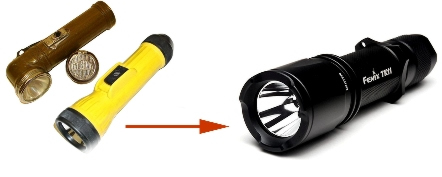 Do you remember the large bulky flashlight you had as a kid or the one your dad struggled to see by as he changed a tire on the side of the road? If so, you probably also remember the dim yellowish light that got dimmer by the minute, the frustration and fear that came when the light completely disappeared, and the subsequent whack of the flashlight in attempts to get it turn on again. With LED technology, those old, outdated flashlights are no more.
 First introduced in 1962, a light emitting diode (LED) is a chip of semiconducting material that is made by a similar process used to create computer chips. When an electrical current passes through the layers that make up the chip, it is converted into light. Several LEDs can be placed close together to achieve various illumination outputs. The diode or diodes are encapsulated in a transparent case of either epoxy or silicone to hold them in place and prevent damage.
 The first LEDs were red and used primarily as indicator lights on various electronic devices. These LEDs were dim and inefficient, but the technology improved and LEDs became available in various colors, shapes, and sizes.
| LED bulbs generate only trace amounts of heat, making them safer and more energy efficient. |
| LED bulbs produce more light per watt, making them nearly 5 times more efficient |
| LED bulbs produce twice as many lumens for more intense, brighter light |
| LED bulbs produce a more natural light for truer color and they don't attract insects |
| LED bulbs last thousands of hours more and stand up to being frequently turned on and off |
| LED bulbs use much less power so battery-powered devices last significantly longer |
| LED bulbs have no filament or moving parts, which makes them robust and resistant to shock |
| LED bulbs are environmentally safe with no hazardous chemicals or special handling |
| LED bulbs are fast responding and light up quickly to provide full brightness immediately |
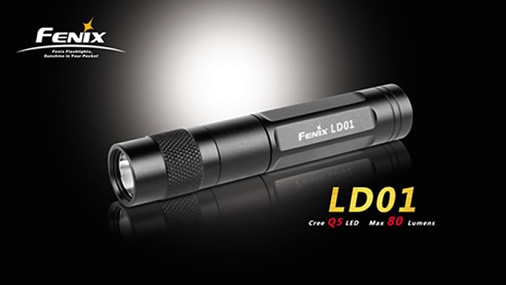 The LD01 from Fenix
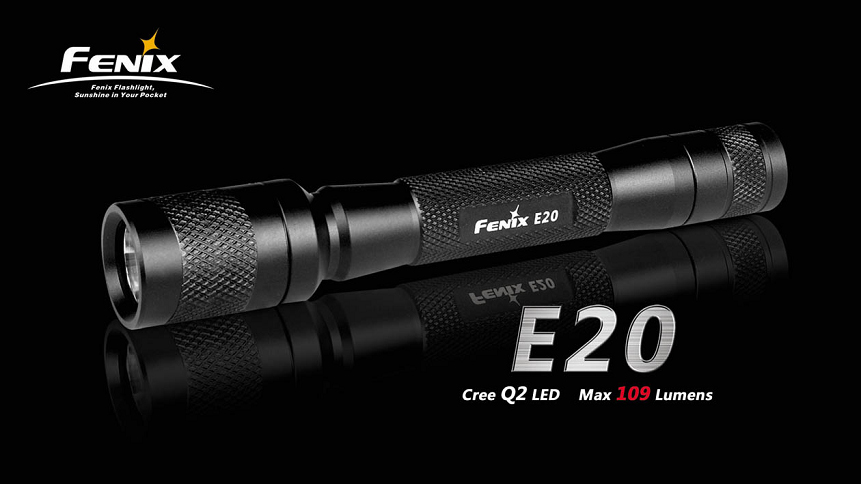 The E20 from Fenix
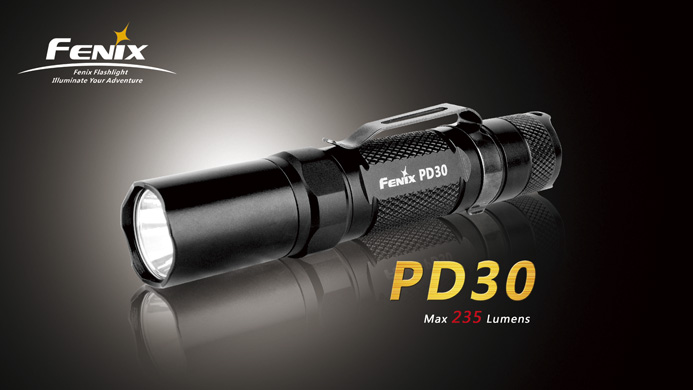 The PD30 from Fenix
 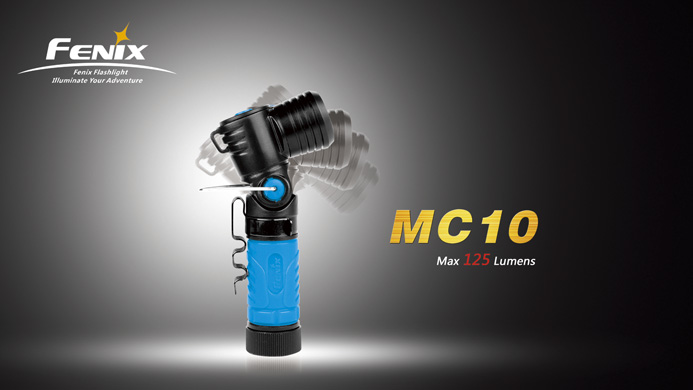 The MC10 from Fenix
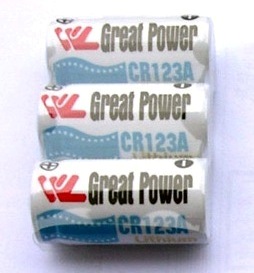 Two common types of rechargeable lithium-Ion batteries include CR123A and 18650. These batteries are revolutionary power houses compared to older technologies and represent a great leap forward for LED flashlight owners. While they cost a bit more than conventional alkaline batteries, they have a much longer run time and can be recharged hundreds of times. They have a low self-discharge rate, which means that once they are charged, they hold their charge longer than other types of rechargeable batteries. These are truly the best batteries you can buy for maintaining reliable light for a longer period of time.
|
||||||||
| The information on this page is an original copyrighted article. We welcome you to link this page from your website. However, copying this article in whole or in part is strictly prohibited. |
| Disclaimer: We have provided this article as general installation advice to our customers. We make no claims about the completeness or the accuracy of the information as it may apply to an infinite amount of field conditions. It is the responsibility of the person or persons using this information to check with all concerned parties, owners and local authorities, etc. before doing an installation. Users of this information agree to hold Atcom Inc. harmless form liabilities of any kind relating to the use of this information. |
 Email for Information Email for Sales